
Tony Taft, our Reviewer and Photographer writes:
Today we had an attendance of 20 with no new members or guests.
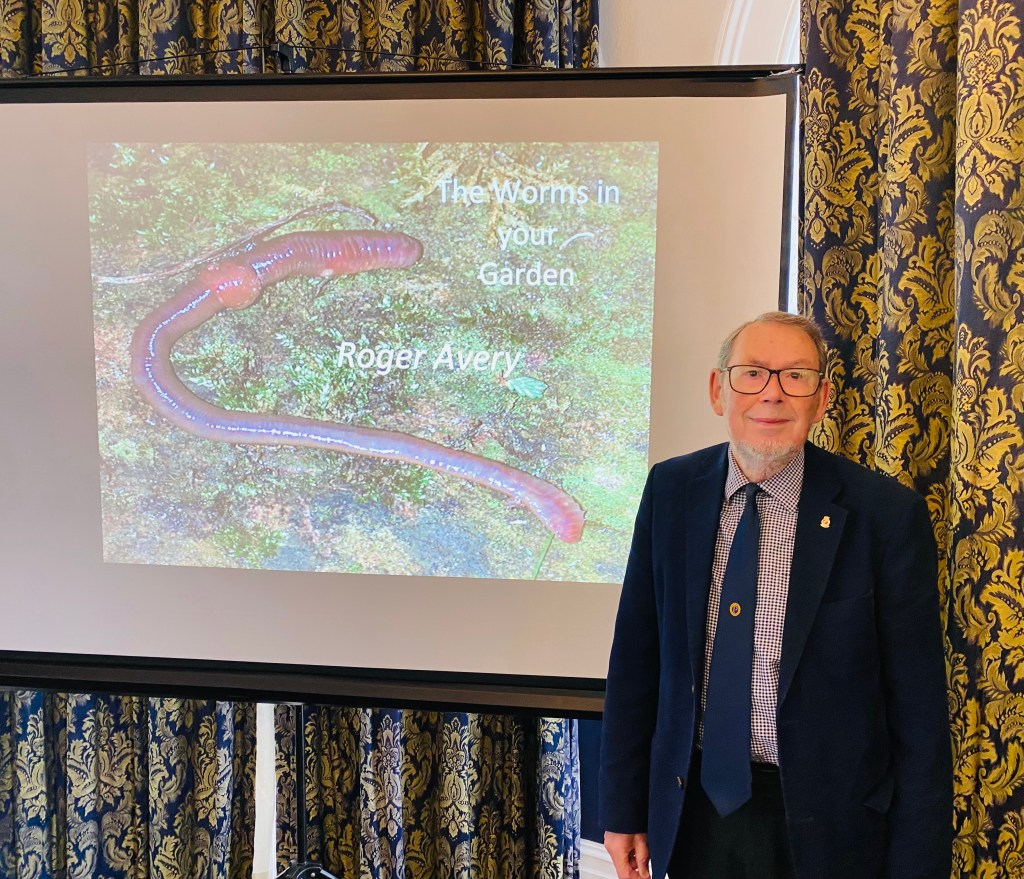
Our speaker today was someone who is well known to the club Roger Avery, and the subject of his presentation was, The worms in your garden.
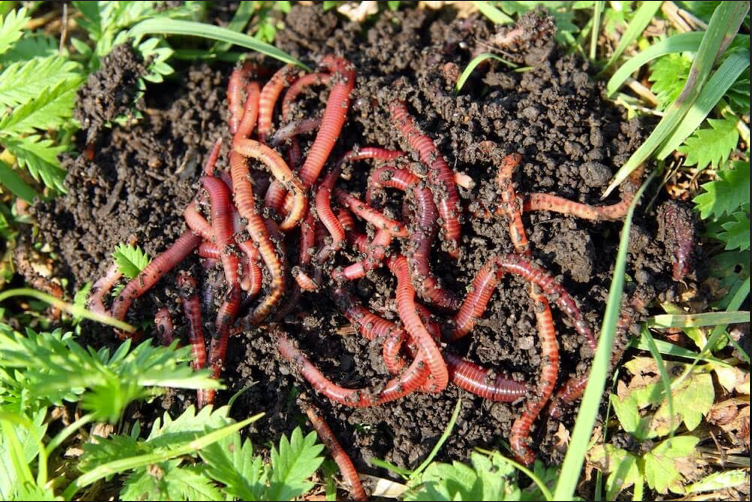
Roger is a biologist, so we knew we were in for an interesting talk, he began by telling us how many worms there should be in the average size garden, and there are estimated to be around thirty thousand of the type of common worms we usually see.

Taking into consideration the types we are less familiar with you are talking millions, but of all of those five or six types would be the ones you are most likely to see in your soil.
Aristotle an Ancient Greek philosopher once described garden worms as the intestines of the earth.
Roger spoke about Charles Darwin a famous biologist who did a lot of research on the life cycle of worms,
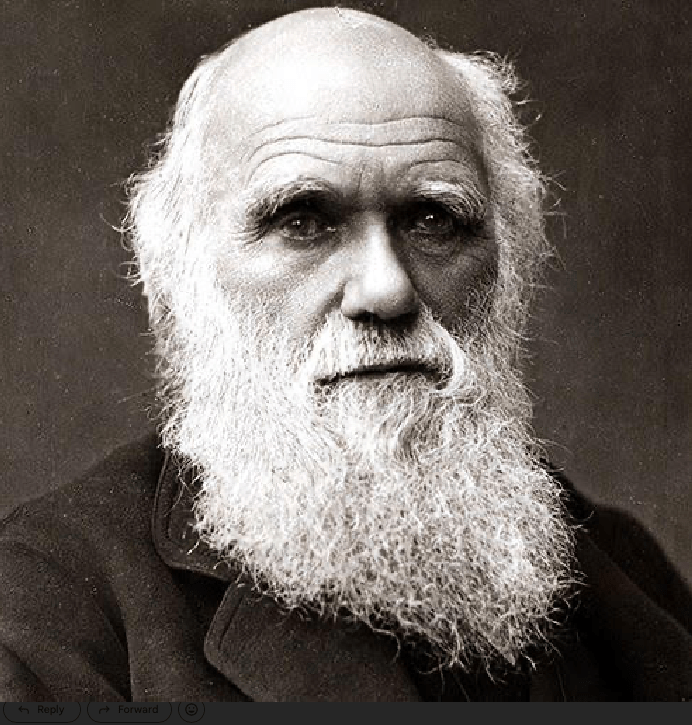
Darwin published a book called The Formation of vegetable mould through the action of worms, not what you might call a good who dunnit or good book at bedtime, but I suppose if you needed something to send you off to sleep that might do the trick.
Roger gave us a visual presentation of other bugs like beetles,mites and parasitic worms you would also find in the soil, you would be surprised just how much activity there is underground, Roger pointed out that children who have a habit of putting things in their mouths could ingest some of these worms.
I thought it was a myth that if you cut a worm in half, the two halves go on to live a normal life as separate worms, I then believed the worms died, but this is not the case, because the worms body is segmented, and each segment having its own internal organs, the segments are separated from each other and start to grow a new head or tail whichever is needed.
This ability is of great interest to the medical profession, I suppose it might be possible to grow a new finger or something like that.
An experiment was carried out by putting a worm in a T shaped glass tube. At the end of the tube the worm was given a choice, if it turned left it received a small electrical shock, and if it turned right it received a treat, something it liked to eat.
The worm was then put in the tube without the shock or treat and it would turn right.
The worm was then cut in two, and after the two worms had healed they were both put into the glass maze and both turned right, knowledge had been passed from one to the other, interesting.
We then went on to a more fun theme, a competition called worm charming .
People of all ages gather on a large field that has been marked out in squares.
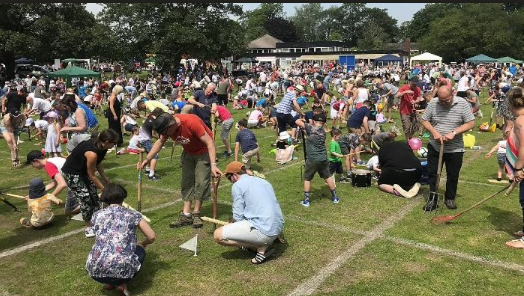
The challenge is to encourage as many worms as possible to come to the surface using any means you can think up.

The winner would be the team that has collected the most worms, this is all taken quite seriously with competitors from other countries also competing.
I was not sure that I was going to enjoy this talk but Roger is so skilled at explaining every detail that I found his presentation fascinating, I look forward to his next visit.
Such was the interest among our members that many questions were asked, Roger was able to answer all.
If you have enjoyed the talk given today and have any comments you think might be of interest to other Members, why not leave your comment, anecdote or anyhting elase in the “Leave a comment” box which follows this review.
Please add you first name to identify yourself to fellow Members.
 Paignton Probus Club